Social Engineering stories
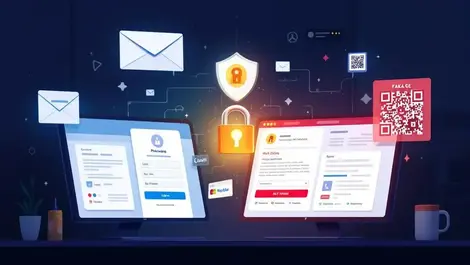
Phishing campaigns are increasingly targeting credentials, payments and malware delivery, with Microsoft alone accounting for 22% of brand impersonation attempts.
AI-driven attacks are exposing weak passwords on cameras and access controls, prompting calls for stricter governance across physical security systems.
AI has made stolen credentials and careless copy-paste habits a bigger risk than password strength, with scams and breaches accelerating.
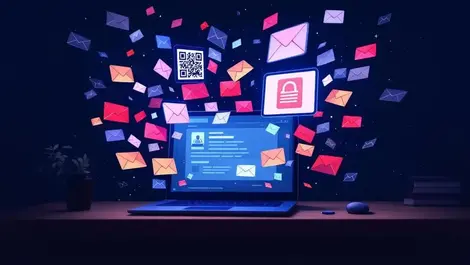
QR code phishing climbed sharply in the quarter, exposing email users to more mobile-led credential theft despite disruption of major infrastructure.
Small defence contractors are left exposed as state-backed hackers spend years mapping supply chains and laying covert access routes before striking.
Security chiefs say AI agents and credential theft are making password-only defences too risky as World Password Day returns.
Broader attacker activity is increasingly moving beyond stolen credentials, even as identity still accounted for 58.7% of incidents in Q1 2026.
Threats are spreading beyond inboxes as phishing shifts into Teams, calendars and other collaboration tools, raising the risk for hybrid workers.
Attackers are exploiting help functions to reset credentials and bypass defences, putting entire networks at risk through a single call.
Security teams can now trace AI-led attacks before phishing begins, as Outtake targets lookalike domains, bot networks and fake accounts.
Ransomware activity stayed elevated in March, with NCC Group saying Qilin alone was linked to 136 attacks and drove a 43% monthly rise.
ChatGPT users can now buy a discounted two-pack of hardware keys designed to block phishing and protect sensitive accounts.
Businesses faced a sharp rise in image-based scams as QR code phishing jumped 146% in the first quarter, Microsoft said.
Businesses face rising exposure as AI is used to sharpen phishing, while insecure in-house tools and weak controls widen attack surfaces.
Thousands of motorists and households face fake toll and fine texts that can steal card details and personal data if they click the links.
Stolen passwords can still leave companies safe if access controls check device trust, location and context before letting anyone in.
A lack of visibility is leaving many European organisations unable to tell whether AI-powered attacks have already breached their systems.
UK businesses are leaving gaps in incident response and backup planning as experts warn AI-assisted attacks are outpacing policy.
Rising AI-driven phishing is forcing cyber security vendors to bolster defences, as Abnormal AI adds senior leaders in product, customer success and legal.
Repeated phishing training helped cut Singapore staff click rates to 7.4% from 17%, despite more than 8,500 fake emails sent.