Threat intelligence stories
Rising encrypted and AI-related traffic is forcing firms to rethink firewall performance as Fortinet adds higher-capacity models for data centres and edge sites.
The ranking could boost Group-IB’s profile with security buyers as Gartner’s new category highlights tools that spot cybercrime before attacks escalate.
Phishing campaigns are increasingly targeting credentials, payments and malware delivery, with Microsoft alone accounting for 22% of brand impersonation attempts.
Customers will gain earlier warnings on phishing and impersonation as Infoblox folds Axur's web, app and dark web scanning into its security tools.
Security teams could cut investigation times as the new platform triages alerts and embeds threat intelligence into existing workflows.
Enterprises using Microsoft Defender will get round-the-clock human-led threat hunting, as CrowdStrike also broadens its AI risk coalition across partners.
AI has made stolen credentials and careless copy-paste habits a bigger risk than password strength, with scams and breaches accelerating.
Shared UK crime data has helped Google disable nearly 50,000 fraudulent accounts and expose more than 5,000 fake bank websites.
Attackers were exploiting a critical Weaver E-cology flaw within five days of the vendor patch, Vega said, with repeated attempts blocked.
Session cookie theft lets attackers slip past multifactor checks, putting enterprise email accounts at risk even after login.
Web attacks are driving browser makers to bake security in by default, as Norton Neo adds VPN, phishing blocks and anti-fingerprinting tools.
The ranking highlights growing demand for intelligence that can guide detection and response inside security tools, rather than stand-alone reports.
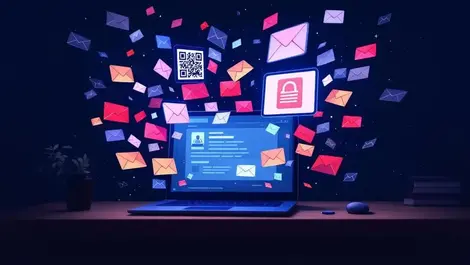
QR code phishing climbed sharply in the quarter, exposing email users to more mobile-led credential theft despite disruption of major infrastructure.
Small defence contractors are left exposed as state-backed hackers spend years mapping supply chains and laying covert access routes before striking.
Threats are spreading beyond inboxes as phishing shifts into Teams, calendars and other collaboration tools, raising the risk for hybrid workers.
Detection of malicious code can collapse when AI reviewers are fed large files packed with harmless text, Cloudflare's research shows.
Security teams can now trace AI-led attacks before phishing begins, as Outtake targets lookalike domains, bot networks and fake accounts.
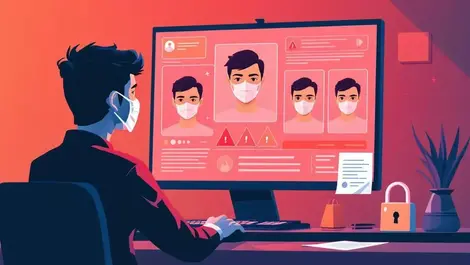
Fraud teams facing faster AI-driven attacks can now update defences within hours as Sumsub’s detector learns new deepfake tactics automatically.
Security teams are being forced into faster triage as AI shortens the gap between flaw disclosure and attack to hours.
The findings add pressure on ministers to modernise the 1990 Computer Misuse Act as breaches hit 43% of UK businesses and 28% of charities.