Work-life balance stories
Women in tech are no longer waiting for a seat at the table - they're redefining leadership, driving growth and building new tables.
Women in tech can fast-track progression by building executive presence, nurturing resilience and leveraging strong support networks.
BeyondTrust chief Janine Seebeck shows how mentorship can fast-track careers, build confidence and inspire the next generation of women in tech.
Homogeneous leadership in SaaS is more than a cultural concern; it is a strategic risk that stifles innovation, resilience and commercial performance.
In today's tech world, mentoring is not a perk but a core duty, unlocking talent, widening opportunity and strengthening leadership.
As stress soars despite supportive managers, flawed work design quietly widens equity gaps, punishing those with lives beyond work.
PropTech's biggest threat is not disruption, but an invisible admin tax draining agents' time, equity and long-term career potential.
Game rooms won't fix gender gaps; women need trust-based flexibility, robust leave and healthcare that match messy, real working lives.
Ethical AI and redesigned work models could help dismantle bias in law, paving the way for more women to thrive as leaders in the profession.
Women are lagging men in AI adoption, risking a generational career setback unless leaders tackle structural barriers and targeted training now.
This International Women's Day, a call to honour women's humanity over metrics, rejecting perfectionism as the price of being valued.
This International Women's Day, #GivetoGain urges tech leaders to swap hoarding knowledge for sharing it, unlocking real power and progress.
In 2026, tech must move beyond hiring drives and embed real cultural change so women can progress, lead and stay for the long term.
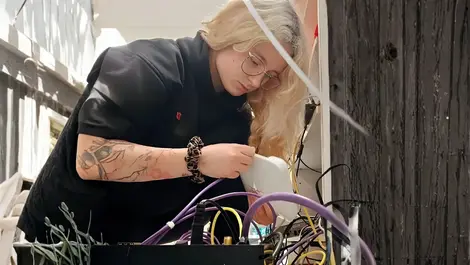
Swapping warships for Wi‑Fi, a young Navy engineer finds freedom, fresh tech and respect on the road as a Smart CT field specialist.
AI is opening doors for women entrepreneurs, turning limited time and resources into leverage and levelling a historically unequal field.
As International Women's Day nears, leaders urge bold action to elevate more women into creative, influential roles across IT and technology.
In relentless tech cultures, leaders find that slowing down to mentor, volunteer and share knowledge can unlock far greater performance gains.
Clicks Group embeds gender equity into everyday systems, using data, flexibility and fair hiring to balance the scales beyond IWD slogans.
On International Women's Day, tech leaders warn progress for women is no accident and urge deliberate action to fix systemic bias.
Intentional giving, not feel-good altruism, is what truly powers loyalty, inclusion and performance in modern workplace cultures.


.webp)



.webp)








.webp)