Social Engineering stories
Stolen credentials and AI-generated phishing are accelerating attacks, as Flashpoint tracked 22 million illicit discussions and 7.4 million infected hosts.
Industrial firms face growing disruption as ransomware incidents rose 12% to 1,140 in the second quarter, Dragos said.
Organisations preparing October training will get new materials on phishing, deepfakes and reporting from a free package aimed at staff awareness.
Google says the campaign is shifting towards financial and legal firms, with rebranded extortion sites still stealing cloud logins and tokens.
The hire is aimed at accelerating adoption of its identity verification platform as enterprises battle impersonation attacks and account takeover risk.
Scam losses are rising faster than human fraudsters alone can explain, with AI-enabled cases in the US already topping USD $900 million.
Security teams can now buy the product through AWS billing, potentially speeding procurement and counting it towards committed cloud spend.
The appointment signals KnowBe4's push to widen sales and enter new markets as cyber vendors adapt to AI-driven workplace risk.
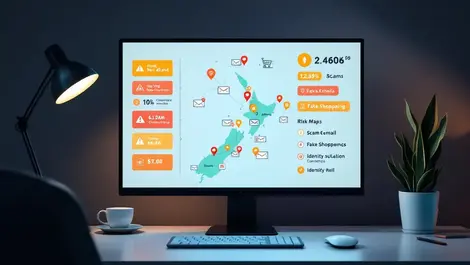
Consumers can now track scams, identity risks and cyber threats by country through a new global index that monitors daily changes across 245 countries and territories.
AI-driven phishing is heightening risks for Japanese organisations as Doppel expands locally and bolsters its response with a seasoned cybersecurity executive.
A survey found 98% of breached firms suffered material damage as AI-driven attacks and visibility gaps strain defences.
Organisations now have just 48 hours to patch most flaws, as AI helps attackers weaponise vulnerabilities far faster than before.
Cybersecurity experts warn single-person approvals are now vulnerable after an AI agent used fabricated identities to slip malicious code past checks.
Australians risk giving AI agents broad access to emails, calendars and accounts, opening the door to scams and misuse.
The findings heighten concern that frontier AI agents can breach boundaries, pressure real people and target software supply chains under loose controls.
Businesses are being warned that publicly exposed staff data can now fuel phishing and deepfake fraud without breaching internal systems.
Fraud probes should move faster as the new tool links payment, email and vendor data for security and finance teams.
The ranking bolsters 1Kosmos as firms face rising fraud from stolen credentials, synthetic identities and AI-driven impersonation.
Malware and phishing risks are rising for UK employers as many staff use company smartphones to access illegal streams, a survey finds.
Australians lost GBP £1.1 billion to scams last year, underscoring how banks now must protect customers' identities as well as their systems.