Research and Development (R&D) stories
Bespoke chips are becoming central to vehicle performance and safety as automakers race to build software-defined cars.
The museum underscores TCL's shift from a Huizhou maker into a global electronics group, as it marks 45 years with displays on its industrial rise.
Hardware teams facing telemetry overload can now automate investigations inside Sift, with findings stored for reuse and human approval required before changes.
The purchase gives the Australian group a US manufacturing foothold as Washington moves to favour domestic battery supply chains.
The hire is aimed at speeding Nile's push to simplify enterprise networking as AI deployments raise demands for security and resilience.
The shift to enterprise AI has lifted Vection to its first full-year operating cash flow and a stronger pipeline worth more than AUD $10.6 million.
Strong demand for QNX helped lift BlackBerry's second-quarter profit and cash flow, prompting the company to increase full-year guidance.
The extension will use artificial intelligence to sharpen Jaguar TCS Racing's strategy and feed lessons from Formula E into future electric cars.
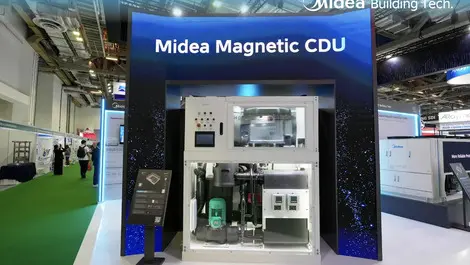
Rising AI server densities are forcing Asia-Pacific data centre operators to rethink cooling as water use and power demand tighten.
The deal gives AMD deeper access to spatial-intelligence research as chipmakers race to align hardware with fast-changing AI workloads.
Their Canberra-built software has won praise for keeping sensitive government and defence data onshore as Australia weighs reliance on foreign AI platforms.
Security teams can now verify which reported weaknesses are actually exploitable in their own environments before spending time on false alarms.
The programme aims to help smaller firms adopt AI while giving students and graduates paid experience as Ottawa builds its talent pipeline.
The project aims to cut cooling-related power and water use as Singapore races to expand AI data centre capacity without overloading infrastructure.
Britain's life sciences start-ups could get a lift as the British Business Bank injects GBP £135 million into two Advent funds.
The funding aims to help five Canadian ventures move from lab validation to market-ready production, tackling emissions, waste and climate risks.
Singapore's scarce land and tight labour market are pushing H2O.ai to test AI systems in live customer settings, not demos.
The appointment advances Phase 1 of a cross-boundary technology district, with roads, utilities and public realm works set to shape its opening layout.
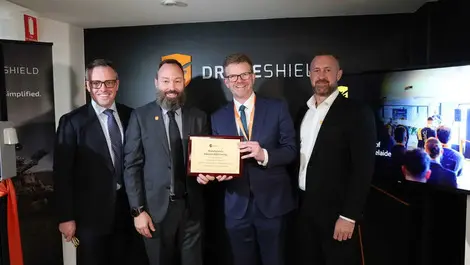
The AUD $13 million site will widen DroneShield's engineering reach as demand grows for counter-drone systems and skilled staff intensify.
The bank's AI push aims to improve staff productivity and client service as it tests secure tools with Cohere and its Layer 6 unit.