Renewable energy stories
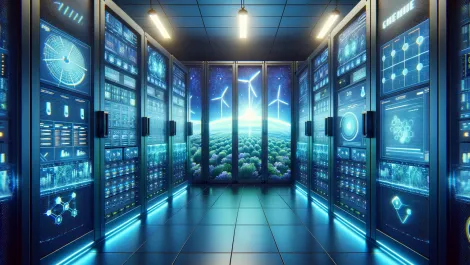
There are plenty of elements to consider when embarking on a data centre development project, and this list is likely to expand as the industry evolves.
AWS and VTS introduce Diverge platform to speed up Australia's transition to renewable energy, optimising smart meter data.
IAS releases its inaugural Responsibility Report highlighting key ESG initiatives including renewable energy usage and diversity.
FedEx pledges to go carbon neutral by 2040, aligning to COP28's mission and investing $2 billion in sustainability efforts.
Australia's leading print-on-demand provider, Prima PMI, has deployed ten Ricoh 9500 printers at its Melbourne facility.
ABB report outlines benefits and obstacles of wider IIoT adoption, highlighting cybersecurity concerns amidst growth potential.
OpenADR Alliance announces OpenADR 3.0 standard for managing growing range of distributed energy resources at ENLIT Europe.
Survey reveals environmental implications of AI, as it could consume up to 3.5% of global electricity by 2030, according to Gartner.
The global shift towards alternative energy sources is forcing a review of traditional backup power solutions.
Logitech G launches Yeti GX, Yeti Orb Mics, and Litra Beam LX light to enhance both the gaming and streaming experience.
Pexapark secures €20m in Series C funding led by Telstra Ventures to bolster its renewable energy risk management software and advisory services.
The company is changing how it operates its business, engages with suppliers, and helps customers and communities.
Cities are moving to protect residents and assets as heatwaves, floods and storms intensify, with four in five now facing climate hazards.
Record fossil fuel output is pushing the planet closer to 1.5°C, with 2023 emissions projected to hit 36.8 billion tonnes.
Colt Data Centre Services is expanding in Germany, building its third high-tech data centre in Frankfurt due to rising demand.
Iberian Peninsula set to transform data centre landscape with rapid growth and greener practices, says DC Byte report.
The EP760 will keep the entire home bright, even during sudden power outages, and most importantly, without paying high energy bills.
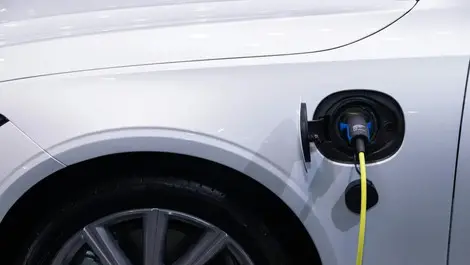
Stockholm will bar petrol and diesel cars from its centre from late 2024, raising air-quality hopes but prompting grid and charging worries.
Daniel Persson, co-founder of GoCompute, has been appointed as Chief High Performance Computing Officer at data centre service supplier atNorth.
Cicada Innovations names new Chair, highlighting diversity in STEM. Dr Woodthorpe joins CEO Sally-Ann Williams as the first women leaders.
















.webp)

.webp)