Recruitment stories
Demand from customers in Australia, the UK and North America drove a 135% rise in international growth, while headcount climbed by a third.
Accessible websites can widen audiences, cut support calls and help businesses tap into the UK's £446 billion Purple Pound.
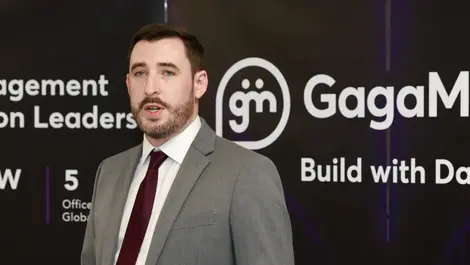
Rising data centre investment in Canada is driving demand for specialist managers, as GagaMuller plans to add 40 roles over 12 months.
The new office will let Kelly hire more staff in Bangalore as demand grows for outsourced recruitment and client support across time zones.
One matcher can now handle five to eight client searches, helping the finance staffing business grow by nearly 100% without extra hires.
British hiring teams are spending longer on checks as AI-polished applications erode trust in CVs and slow decisions on who to interview.
The free tool could let smaller hiring teams automate sourcing, screening and interviews from a single chat interface in under five minutes.
Verified skills are gaining traction as employers lean harder on skills-based hiring and workers look to prove AI and other abilities.
Recruiters could cut tool-switching and manual coordination as the new system manages sourcing, screening and scheduling in one workflow.
The recognition bolsters Westcon-Comstor's efforts to attract and keep talent across six Southeast Asian markets in a tight tech labour market.
Up to 15 jobs will be created as the AI supplier targets councils facing service pressures and bilingual delivery demands in Wales.
Waiting lists at a Canary Wharf gym pushed ISS to widen classes and tighten compliance as it scales workplace fitness for a banking client.
Most UK employees would welcome published salary bands, a sign employers may need to rethink hiring and retention as pay transparency grows.
Its Manchester team funded £870 million of invoices in 12 months, as the lender expanded into a larger office to meet demand.
Workers are increasingly prioritising security over ambition as weaker hiring and slower wage growth leave many reluctant to move roles.
Arts groups can now keep donor and applicant data in separate databases, as the new platform aims to cut security gaps from third-party connectors.
Employers are expected to judge office space by collaboration, flexibility and wellbeing rather than desks, as AI takes on routine tasks.
Rising demand for verifiable skills has helped Pearson's Credly issue 50 million more badges in under two years, with AI credentials surging.
Rising retirements and weak recruitment could leave UK builders short by about 750,000 workers by 2031, threatening delivery targets.
More than 200 vacancies are available as Singapore moves to draw locals into advanced manufacturing and ease employers' hiring strains.