Operational Technologies (OT) stories
The findings raise fresh risk for critical infrastructure, as 66 newly found flaws in connected-device software were uncovered in just 90 hours.
Shipments are projected to rise to 6.6 million units by 2030 as factories and utilities upgrade older wireless kit and add backup links.
The package is aimed at firms scaling AI across multiple sites, where mixed networks and security rules often slow roll-outs and raise risk.
Business systems supporting factories, logistics and utilities remain vulnerable, with Australia accounting for 20 of 23 industrial ransomware incidents in the region.
OT teams can now validate cyber controls in a simulated environment before deployment, reducing the risk of disrupting live industrial systems.
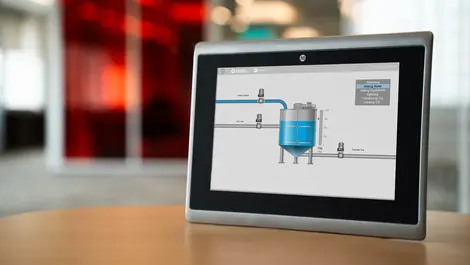
It could cut downtime and revalidation costs for factories upgrading ageing HMI systems by letting them reuse existing FactoryTalk View ME applications.
The new unit will span 35,000 staff in 27 countries, giving clients one provider across cloud, data and AI services from 1 April 2027.
Industrial firms bore the brunt as ransomware incidents climbed 23% in the third quarter, with North America also hit hard.
The forum will gather industrial leaders in Rio as pressure mounts to turn AI pilots into measurable gains across energy, mining and manufacturing.
Partners in five launch markets will gain access to KUKA's autonomous mobile robots as TD SYNNEX pushes into industrial automation.
Manufacturers may soon rely less on cloud data lakes as vendors race to let AI query shop-floor systems and control machines more directly.
Yet manufacturers are using only about 45% of the data they collect, slowing efforts to turn AI pilot projects into wider operational gains.
More remote access and distributed assets are leaving power firms exposed to credential theft, with compromised accounts implicated in 19 per cent of incidents.
Rising costs and labour shortages are pushing utilities to use security systems for faster decisions, not just site protection, a survey shows.
Although nearly 90% of food and beverage manufacturers are using or planning AI, only about 45% of collected data is used effectively.
Security teams will get a single risk view as Qualys adds mobile, OT, IoT and identity telemetry from five new partners to mROC.
More connected water networks are widening the risk of stolen logins disrupting treatment, service delivery and public confidence.
Phishing-resistant logins are now a baseline expectation, but Australian organisations still need to decide whether synced or hardware-bound passkeys fit the risk.
For cybersecurity teams, the lesson is that resilience depends on disciplined communication, trusted expertise and clear decision-making under pressure.
The move could help heavy industry keep sensitive plant data on site while lowering cloud AI costs and speeding responses to faults.