Industrial Automation stories
Industrial operators are being pushed to stitch together sensors, analytics and repair systems as unplanned downtime costs up to USD $1.0 trillion a year.
The Singapore robotics group will use the funding to expand in Australia and hire staff as manufacturers seek ways to lift productivity and cut costs.
The deal gives Rockwell a broader robotics range for factories and warehouses, while boosting its autonomous mobile robot business and European reach.
Plant operators can now track steam, compressed air and gas losses more closely, as the meter combines flow, pressure and temperature sensing.
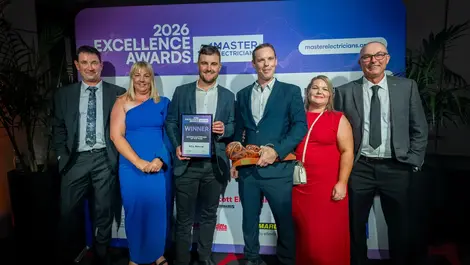
The first cross-border final underscored fierce competition for skilled electricians, with 15 apprentices vying for honours at Eden Park.
Shipments are projected to rise to 6.6 million units by 2030 as factories and utilities upgrade older wireless kit and add backup links.
Engineering teams will spend less time hunting robot clips after the Italy-based startup secured €7.5 million to build its open-source data layer.
The larger vehicle will back riskier early-stage startups in energy, AI infrastructure and defence as Europe tries to close its funding gap.
The Boston gathering is set to draw 15,000 attendees as industrial users weigh AI, robotics and cybersecurity in plant modernisation.
Industrial users are adopting AI only in tightly bounded roles, as safety, power and integration constraints keep deployments under close human control.
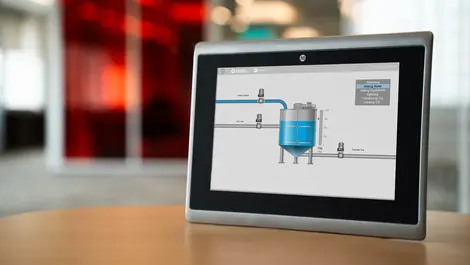
It could cut downtime and revalidation costs for factories upgrading ageing HMI systems by letting them reuse existing FactoryTalk View ME applications.
As autonomous agents spread into finance, healthcare and infrastructure, weak controls could let them act beyond authorisation and evade revocation.
The modelling suggests targeted support for manufacturers could deliver a bigger economic payoff, with each AUD $1 invested adding AUD $6.48 to GDP.
The update is designed to help operators stabilise complex plants, cut energy use and reduce manual workloads as labour shortages bite.
The test, made by One NZ's Chief Technology Officer and Chief Executive Officer, moves the operator closer to launching services for businesses and consumers.
The award highlights growing demand for private 5G systems that can keep warehouses and factories connected as robots and sensors move across sites.
Although nearly 90% of food and beverage manufacturers are using or planning AI, only about 45% of collected data is used effectively.
The release gives enterprises a high-level robot control layer that can verify tasks, plan longer workflows and share workspace understanding across machines.
The startup says its simulation tool could cut costly robot training and reduce the risk of damaging machines before deployment in factories and warehouses.
The move could help robotics firms test and scale machines in real warehouses, while easing customs, storage and delivery bottlenecks overseas.