Graphics Processing Units (GPU) stories
Traditional data centre designs are being overtaken as AI clusters push rack loads to 50-100kW and demand liquid cooling, faster builds and more power.
Racks are already pushing 50-100kW, forcing operators to redesign cooling, power and build methods for AI workloads.
AI data centres can cut battery wear and steady erratic load swings by using UPS controls that buffer power instead of waiting for outages.
By 2027, enterprises may shift high-volume AI workloads in-house to cut unpredictable API bills and reduce dependence on outside providers.
Healthcare groups can now screen records as the new models are designed to flag eligibility, privacy and review issues from clinical text.
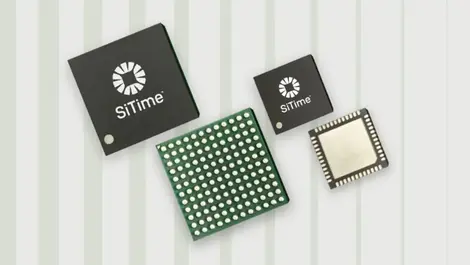
AI data-centre builders face tighter timing margins as SiTime's new clock families aim to support faster 224G and PCIe 7 systems.
By checking patches before human maintainers do, the system is helping reduce follow-up fixes and security bugs across the Linux kernel.
The expanded package is aimed at helping companies move AI projects from pilots to production on infrastructure they own and control.
AI firms may soon lock in scarce chips months ahead, as Akash's new marketplace aims to steady pricing and supply.
The platform now reaches more than 11 million developers, underscoring how GPU computing has moved into mainstream science and AI.
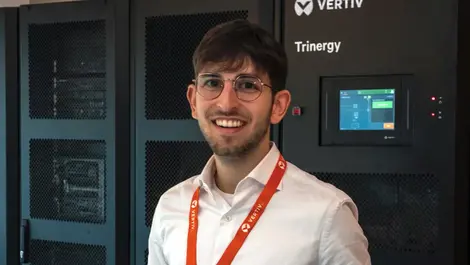
The new design could let operators devote 90 MW of every 100 MW of provisioned capacity to servers, easing power constraints for AI build-outs.
The software could help AI data centres cut energy and water use while keeping hotter, denser GPU racks within safe operating limits.
The launch gives European customers a locally trained alternative as OVHcloud moves beyond infrastructure into in-house model development.
The French cloud provider is seeking to reduce Europe's reliance on US AI infrastructure with a model that can run on modest hardware.
Rising AI demand is forcing data centres to redesign power systems for faster load swings, tighter efficiency and near-perfect uptime.
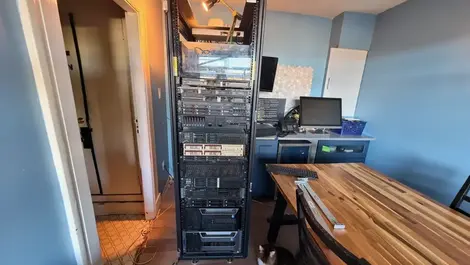
An independent Ottawa team is asking whether useful scientific discovery tools can be built on modest kit, including an older RTX 3060 Ti.
Operators could cut AI inference costs by up to 40% as Valkey 9.2 adds shared caching and memory-saving tools for large-scale systems.
The 20-year pact secures 10 megawatts of capacity for AI inference, as demand for dense GPU space and power keeps rising.
Data centre operators could free up more power for servers as the new architecture is designed to direct up to 90% of provisioned capacity to IT compute.
Larger models and longer context windows are straining scarce high-bandwidth memory, prompting NVIDIA to shift more AI data into cheaper tiers.