Comodo Security stories
Xcitium expands international network, signs deals with leading value-added distributors in EMEA, Asia Pacific, and Latin America.
Comodo Security Solutions rebrands as Xcitium, launching zero threat endpoint technology to combat ransomware and malware.
Critical to every organisation is how to stop a cyber-security breach AND the damage it causes and do so within available budgets.
It is critical to understand how effective each security product is in stopping the new tactics that the hackers have been using since COVID-19.
As part of the deal, ACA Pacific will offer Comodo's security operations centre as a platform (SOCaaP) to managed service providers (MSPs).
Cyber attacks and geopolitical events in Asia may go hand in hand, according to Comodo's first annual Global Malware Report for 2017.
Comodo launches the first free one-time malware removal tool for websites, aiming to improve eCommerce trust and security with its innovative cWatch platform.
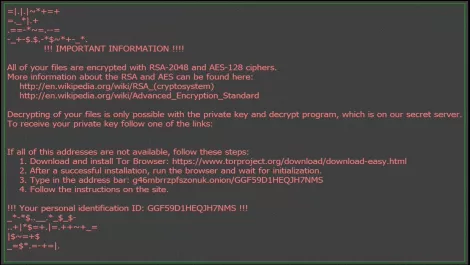
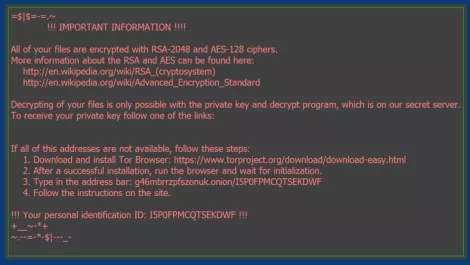
A Locky ransomware variant is doing the rounds again this time it's also impersonating office equipment from Konica Minolta.
Comodo says the 24/7 Help Desk gives MSPs the power to surpass client expectations and delivers superior service.
The Locky ransomware is back and using social engineering in another round of email-based attacks on tens of thousands of users.
Comodo has opened its 'library' to university, governmental, and non-profit educators and researchers in an industry-first.
Comodo launches online education portal offering certification to users of its IT and security management platform, Comodo ONE.
Symantec has sold its digital certificate business to DigiCert - the question is what will be the implications? We talk to both sides to find out.
A team of digital certificate 'channel veterans' are now heading up the global efforts to accelerate innovation in Comodo's partner program.
The addition of Comodo's privacy and cyber security solutions delivers game changing protection for Privacy Bureaux's mid-market and SME clients.
Amongst political turmoil, Indonesia and the Philippines are now one of the world's major hotspots for malware infection rates.