

Industry leaders call for more women in cybersecurity roles
Tue, 1st Sep 2026
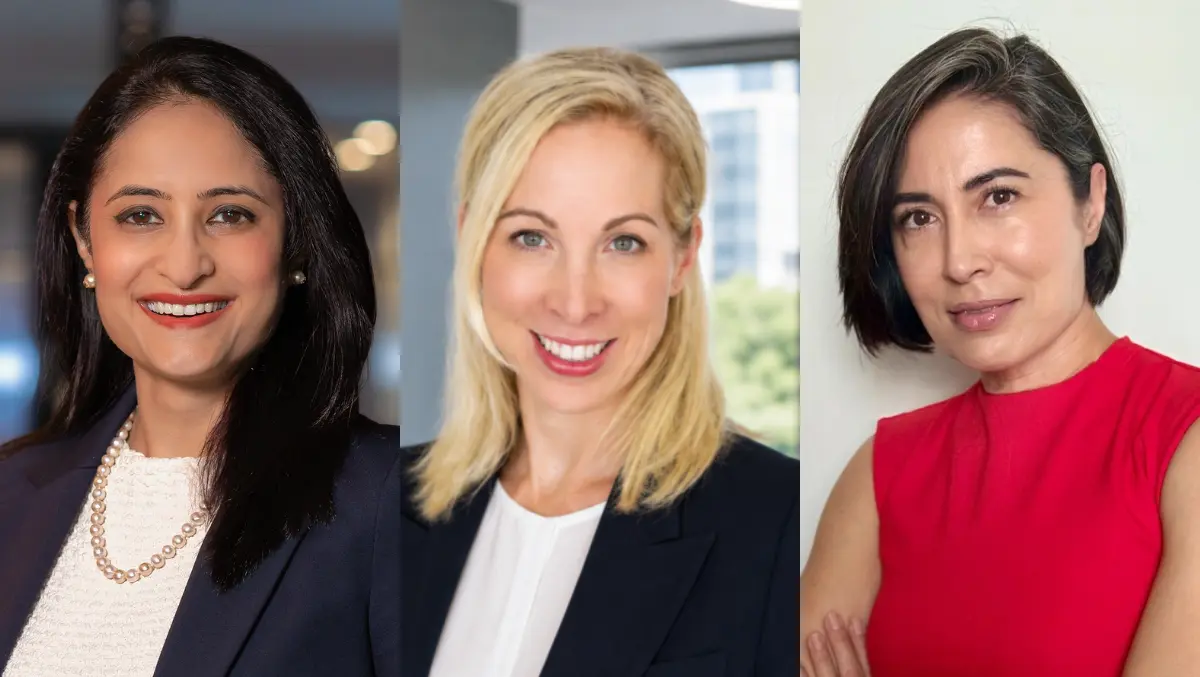
Standard Chartered executives and channel distributor Pax8 are using International Women in Cyber Day to call for broader gender diversity across cybersecurity and data roles, arguing that representation remains uneven despite signs of progress.
The comments reflect growing concern that entrenched stereotypes and narrow talent pipelines still limit women's participation in critical security and technology functions. They also underscore the view that diversity is central to effective cyber defence as threats and tools evolve rapidly.
Shebani Baweja, Group Chief Data Officer at Standard Chartered, linked modern security to data discipline, describing a landscape in which data quality and governance underpin everything from threat detection to the use of artificial intelligence in defence strategies.
Baweja began her career in technology and data roles and previously served as Chief Information Security Officer for the bank's Wealth, Retail Banking and international markets unit. She said her early experiences as one of the few women in technical environments shaped her views on inclusion and decision-making.
She described diversity as a business requirement rather than purely a social goal, particularly in fields such as cybersecurity, data and AI, where poor decisions can have material consequences. Her comments also highlighted the importance of internal sponsorship and clear pathways into leadership.
"The future of cybersecurity will increasingly be shaped by data. From threat detection and risk modelling to the safe deployment of AI, organisations depend on robust data, strong governance and sound judgement. I found my way into technology and data because I was fascinated by how they could help solve real problems. Early in my career, I was often one of the few women in the room, but I was fortunate to work with people who challenged me, supported me and helped me grow. One thing I've learned is that the toughest problems rarely need more people thinking the same way. They need people willing to see the problem differently. That's why diversity matters. Different experiences and perspectives help us challenge assumptions, spot blind spots and make better decisions. In fields like data, AI and cybersecurity, that isn't just good for inclusion; it's good for business. Building a stronger pipeline of talent requires more than good intentions. It requires support, opportunity and clear pathways into leadership. Standard Chartered has made encouraging progress, and we remain committed to creating opportunities for more women to shape the future of data, AI and cybersecurity. My hope is that the next generation spends less time wondering whether they belong and more time deciding what they want to build. The real test of inclusion is not whether women have a seat at the table. It's whether nobody finds it remarkable when they are leading it. The organisations that succeed will be those that bring together the broadest range of talent, perspectives and ideas because better decisions rarely come from everyone seeing the world the same way," said Shebani Baweja, Group Chief Data Officer, Standard Chartered.
Firuza Karimova, Chief Information Security Officer for Corporate & Investment Banking, Core Technology and Functions at Standard Chartered, likewise tied diverse teams to cyber resilience, warning that monoculture in security functions can become a vulnerability.
She stressed the need for sustained investment in development programmes and sponsorship for women as cyber roles and technologies evolve. She cited initiatives such as Code Without Barriers and AI literacy training within the bank as examples of structured support for women in technical streams.
Karimova also pointed to industry estimates showing that women now account for about 22% of the global cybersecurity workforce, while pay gaps and underrepresentation in senior roles persist.
"Cybersecurity has always been about staying ahead of what comes next. As threats become more sophisticated and unpredictable, relying on a single mindset has the potential to become an organisation's greatest vulnerability. Teams that bring together different perspectives, experiences and problem-solving approaches are better positioned to challenge assumptions, detect emerging threats and strengthen organisational resilience. Throughout my career, I have been fortunate to work with leaders and colleagues who recognised the value of different perspectives and gave me opportunities to contribute, grow and take on new challenges. Many of the most important moments in my professional journey have come from stepping beyond my comfort zone, taking on new roles across different organisations and inviting new areas of responsibility. Building a stronger and more resilient cybersecurity profession will require us to draw on the broadest possible range of talent and perspectives."
"In cybersecurity, resilience is built not only through stronger technology, but through broader thinking. A principle that has guided me throughout has been to seek opportunities that allow me to build on my existing strengths while continuing to broaden my expertise. The ability to remain curious, adapt and develop new capabilities is critical in cybersecurity, where both the threat landscape and the technologies we use to defend against it are in a state of constant adaptation and change. Women in Cyber Day is an opportunity to recognise the women protecting critical systems, data, and clients behind the scenes, but recognition alone isn't enough. Expanding representation requires sustained investment in talent pipelines, sponsorship and opportunities for women to grow into technical and leadership roles. Through initiatives like Code without Barriers and hands-on AI literacy programmes, Standard Chartered is helping equip women with the skills, networks, and opportunities to lead in areas like AI, data, and cybersecurity. In a rapidly evolving digital landscape, diverse thinking is a strategic advantage. There are encouraging signs of progress."
"Women now represent approximately 22% of the global cybersecurity workforce. Yet significant disparities remain, including pay gaps and underrepresentation in senior leadership positions, highlighting the distance we still need to travel. The direction of travel is positive, but continued progress will require sustained focus from organisations, leaders and the wider industry. As global demand for cybersecurity expertise continues to grow, the sector has an opportunity not only to widen participation, but also to ensure that talented women have the support, visibility and opportunities required to advance," said Firuza Karimova, Chief Information Security Officer for Corporate & Investment Banking, Core Technology and Functions, Standard Chartered.
While the banking group focused on internal pipelines, Pax8 executive Lindsay Keating pointed to cultural barriers across the wider technology and security sectors. She said her Asia-Pacific unit has stronger gender balance than much of the market, yet persistent bias still shapes how women leaders are perceived.
Keating cited examples of women being labelled difficult for direct communication styles, and of comments that teams have "too many" women even when gender ratios are near parity. Such attitudes, she said, risk slowing progress on diversity despite broader recognition of its value.
"The cyber and technology industries are making significant strides in recognising and acting on the benefits of diversifying our workforces. I'm proud to lead a team that has strong gender diversity across all departments and levels of the organisation in region, including our leadership team. Unfortunately, we're still an outlier in the sector, though, and there continues to be huge opportunities overlooked every day. One of the ongoing issues is the persistence of severely outdated gender stereotypes. We're still regularly hearing women who speak their mind and have a straightforward approach being labelled as aggressive or difficult to work with. Other times we hear there are "too many" women in certain teams, even if those teams have barely reached a 50/50 split in gender balance. At times, it can be almost unbelievable that these harmful, regressive conversations are still being had in 2026, but they are and we need to continue speaking up to ensure the progress being made by some organisations rapidly expands to becoming the industry-wide norm," said Lindsay Keating, Executive Vice President and General Manager APAC, Pax8.