AI is pushing customers to pay partners for clarity and outcomes, as data volumes surge and existing security tools miss key blind spots.
Autonomous agents, soaring AI bills and new governance demands could strain public services and reshape how firms manage costs, jobs and power use.
Fans will get round-the-clock venue help as the software firm deepens its public sector AI push, with defence revenue up 80% year on year.
AI is speeding up attacks by finding existing weaknesses, leaving organisations and SMEs exposed to faster, cheaper intrusions.
The hire is aimed at speeding Nile's push to simplify enterprise networking as AI deployments raise demands for security and resilience.
AI and personalisation are reshaping Softswiss's product, engineering and security priorities as the group warns of higher cyber risk and tighter data demands.
Early security design can improve uptime and reveal operational data in data centres, but only if cybersecurity is built in from the start.
Access approvals can now be handled in Google Chat, as Keeper brings privileged requests and just-in-time elevation into Workspace workflows.
The deal keeps finance and operations teams in governed data as Databricks adds a spreadsheet layer to reduce risky file exports.
Security teams can now trace risky browser activity by staff and AI agents, as Citrix adds visual session records and policy guidance.
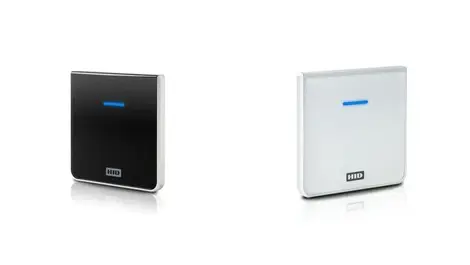
Architects and building operators get a flush-mounted reader that keeps access control discreet while supporting cards, mobiles and remote updates.
Deal teams could get issue-level diligence reports in hours, as Ropes & Gray and OpenAI test AI that still requires lawyer oversight.
Businesses tied to a single cloud provider face escalating outage risks, with experts urging redundancy to limit disruption and losses.
Viewers are shown how debt, corruption and digital surveillance can shrink real-world options in Logos's branching film on hardship.
Enterprises facing faster AI-driven attacks could get a single view of cyber risk as Wipro and CrowdStrike tie security operations to board priorities.
Strong demand for QNX helped lift BlackBerry's second-quarter profit and cash flow, prompting the company to increase full-year guidance.
Customers will get a broader view of outages as the tie-up links database support with tracing across applications, networks and infrastructure.
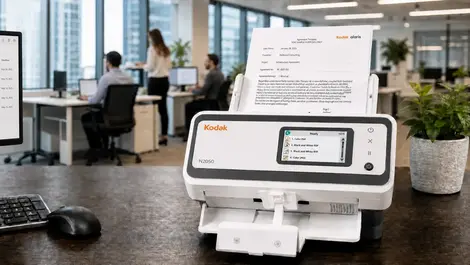
Distributed offices can now standardise document capture with scanners that protect records, reduce rework and support audits across multiple sites.
Machine-generated requests now account for more than half of Fastly's network traffic, intensifying pressure to govern AI costs and security.
The Danish cloud data protection group's nine-figure run underscores demand for independent backup as firms link AI adoption to data trust.