Emergency Communications stories
Satellite Connect Europe launches MNO-first direct-to-device satellite network, offering EU-based access to AST SpaceMobile's LEO system.
VQ launches Advanced Conferencing Centre to give Cisco Meeting Server users tighter control over complex, operator-led multi-room calls.
LTE and 5G critical communications investment to surge from USD $5.4bn in 2025 to more than USD $9.2bn by 2028, SNS Telecom & IT says.
TCCA releases first Broadband Callout specs for 4G and 5G mission critical paging, aiming to boost global interoperability for emergency services.
Telecoms pivot from chasing full autonomy to trusted, explainable AI that cuts outages and boosts resilience in critical networks by 2026.
Small Cell Forum sets out how small cell know-how and open interfaces could underpin interoperable 5G satellite and hybrid NTN networks.
Most Australians and New Zealanders back AI to boost Triple Zero and 111 call handling, though doubts remain over agencies' data use.
Interoperability gaps can leave public-safety and critical-infrastructure networks exposed unless policy, funding and governance keep systems aligned.
Rural and remote community groups can now apply for digital grants of up to AUD $10,000, with AUD $200,000 available nationwide.
PMT Communications expands DAS projects across Australian states to strengthen in-building mobile coverage for critical services.
Auckland and Northland top a new index of New Zealand's most fragile infrastructure, as experts urge maintenance-first spending on resilience.
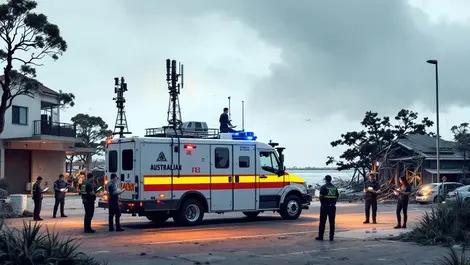
A nationwide call has opened for novel antennas to turn emergency vehicles into rugged mobile Wi‑Fi hubs when normal networks fail.
One NZ extends Starlink-powered satellite service with limited data apps and WhatsApp calling for eligible phones beyond mobile coverage.
Free internet pilots in Victoria and Western Australia have connected over 350 vulnerable people, offering a scalable model for digital inclusion.
One NZ logs 17.4% New Year mobile data spike and 50% holiday satellite user jump as Kiwis head off-grid and demand always-on coverage.
RANsemi and Radisys unveil an all-in-a-box private 5G platform for rapid, resilient mission-critical defence and public safety deployments.
KernWi-Fi deploys Australia's first carrier-grade Yaesu IMRS backbone, boosting reliability, security and scalability for VK amateur radio.
Indosat's mobile data traffic jumped about 15% over Indonesia's year-end holidays as digital use surges beyond major cities and tourist hubs.
One NZ marks a year of Starlink texts with 7m messages sent and 700,000 customers now able to connect beyond standard mobile coverage.
Christchurch's Sugarloaf transmission tower celebrates 60 years, remaining vital for TV, radio, emergency services, and digital connectivity across Canterbury.